

Seeing blood on your toothbrush or in the sink can be easy to dismiss, especially when your gums do not hurt. However, bleeding gums when brushing are worth paying attention to.
Bleeding during brushing is commonly associated with inflammation around the gum line, often where plaque has accumulated. One episode does not tell you exactly what is happening, and bleeding alone cannot show how advanced a gum problem may be.
Recurring bleeding matters more, particularly if you also notice redness, swelling, persistent bad breath, gum recession or changes in how your teeth feel.
Continue cleaning the area gently rather than avoiding it, and arrange a dental assessment if the bleeding continues or keeps returning.
Why might your gums bleed when brushing?
Healthy gums should not routinely bleed during normal brushing or cleaning between the teeth.
The NHS guidance on gum disease lists bleeding, redness, swelling and soreness among common signs of gum disease. There are, however, several possible reasons why you might notice blood when cleaning your teeth.
Plaque around the gum line
Plaque is a soft film containing bacteria that continually forms on the teeth.
When plaque remains around the gum line, the surrounding tissue can become inflamed. This early stage of gum disease is known as gingivitis.
You may notice that the gums are:
- redder than usual
- swollen or puffy
- tender
- more likely to bleed during brushing or interdental cleaning
Gum inflammation is not always painful, so bleeding during cleaning may be one of the changes you notice.
Plaque between the teeth
Your toothbrush cleans the exposed surfaces of your teeth, but it cannot always clean thoroughly between neighbouring teeth.
Plaque left in these spaces can also contribute to inflammation. The British Society of Periodontology and Implant Dentistry recommends daily cleaning between the teeth as part of maintaining gum health.
The most suitable interdental aid depends on factors such as the size of the spaces between your teeth and the condition of your gums. Floss may suit some areas, while appropriately sized interdental brushes may be more useful in others.
If you are unsure what to use, a dentist or hygienist can advise you on a suitable technique.
Brushing too forcefully
Overly forceful brushing can irritate and damage the gums, but recurring bleeding should not automatically be put down to brushing technique.
Inflamed gums may bleed even when they are being cleaned carefully.
Rather than brushing harder or avoiding the area altogether, aim for gentle, thorough plaque removal.
Medicines that affect bleeding
Some medicines can make bleeding easier to notice.
Anticoagulants, for example, reduce the blood’s ability to clot. If you take one of these medicines and notice bleeding from your gums, do not stop or change your medication without medical advice.
The NHS advice on anticoagulant medicines recommends seeking professional advice about troublesome or unusual bleeding.
Make sure your dental team knows which medicines you take and whether anything in your medical history has recently changed.
Other health factors can matter
Some health conditions and hormonal changes can affect the gums.
Pregnancy is one example. NHS guidance explains that hormonal changes during pregnancy can make gums more vulnerable to plaque, which can result in inflammation and bleeding.
Smoking is another important factor. It increases the risk of gum disease and can make some early signs less obvious, so tell your dental team if you smoke.
Persistent or unexplained bleeding should still be assessed rather than being attributed to one factor without an examination.
Could bleeding gums mean gum disease?
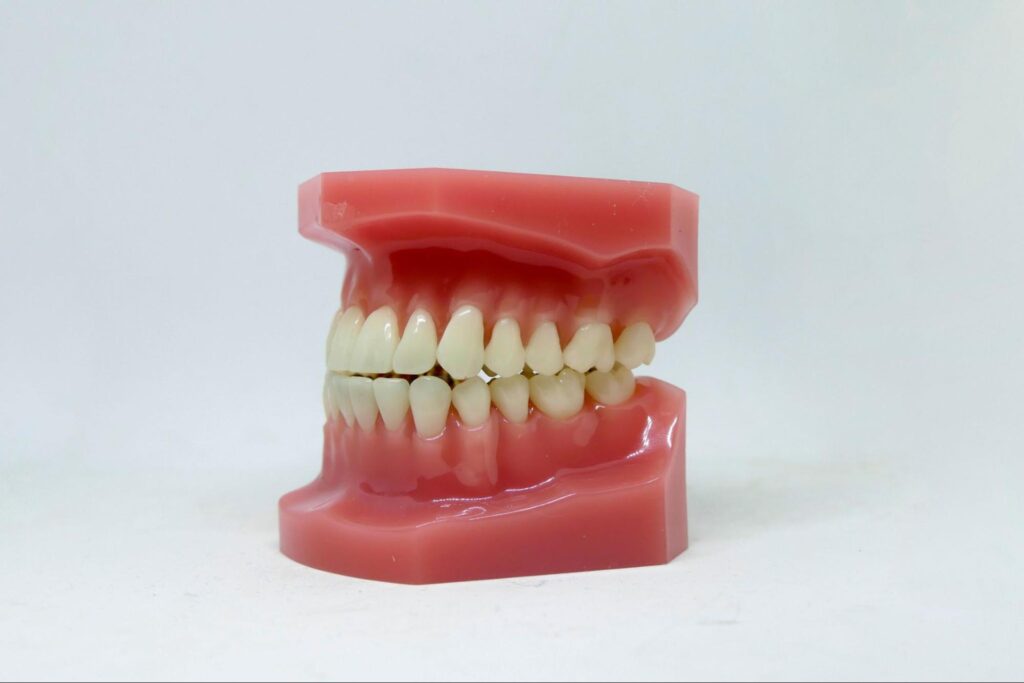
They can be associated with gum disease, but bleeding alone cannot tell you which condition you have or how advanced it may be.
Gingivitis affects the gums and can be associated with redness, swelling and bleeding.
If gum disease progresses, periodontitis can affect the tissues supporting the teeth. Other changes may include:
- gums appearing to recede
- persistent bad breath
- spaces developing between teeth
- teeth becoming loose or changing position
These symptoms need professional assessment. Looking at how much your gums bleed is not a reliable way to judge the severity of gum disease yourself.
What else should you look for?
The symptoms that occur alongside bleeding can help you decide how soon to seek advice.
| What you notice | Why it matters | What to do |
| A small amount of bleeding once | A single episode does not identify the cause | Continue gentle cleaning and seek advice if it happens again |
| Bleeding on most days | Repeated bleeding deserves assessment | Arrange a dental appointment |
| Red, swollen or tender gums | These can occur with gum inflammation | Have your gum health assessed |
| Persistent bad breath or a bad taste | These can occur alongside gum problems | Mention them at your appointment |
| Gums appearing to pull away from teeth | Your gum line has changed | Arrange an assessment |
| Teeth feeling loose or shifting | The supporting tissues may need investigation | Ask for an urgent dental appointment |
| Heavy or difficult-to-stop bleeding | Medical as well as dental assessment may be needed | Seek prompt professional advice |
These signs are not a way to diagnose yourself. Several dental and medical factors can produce similar symptoms.
What should you do if your gums bleed while brushing?
Do not stop cleaning your teeth simply because you see blood. Leaving plaque around the gum line may contribute to further inflammation.
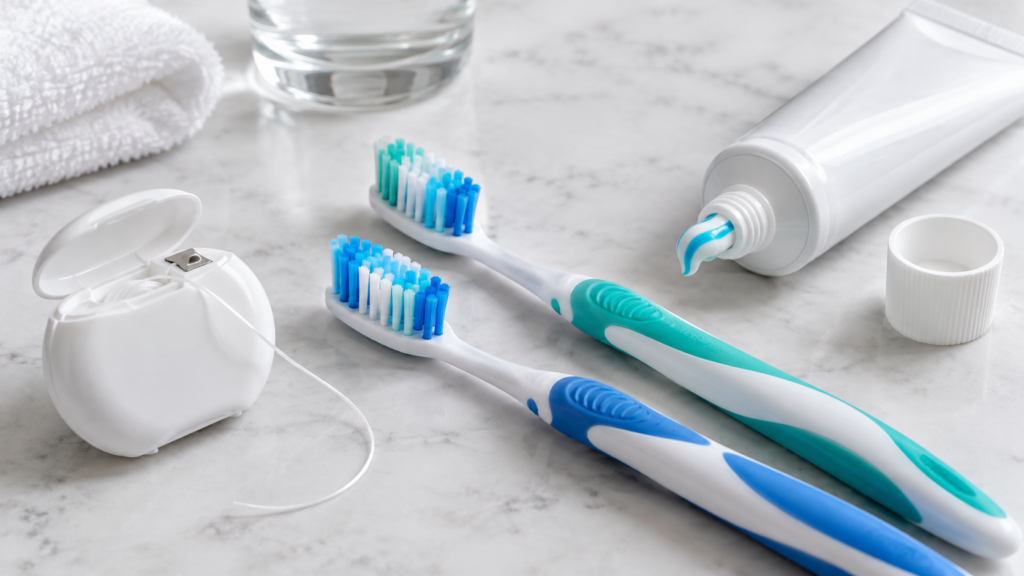
A few practical steps can help you maintain your oral hygiene without being overly aggressive:
- Continue brushing twice a day with fluoride toothpaste. Use gentle, controlled movements rather than scrubbing forcefully.
- Clean between your teeth every day. Use a method that is suitable for the spaces between your teeth.
- Spit rather than rinse immediately after brushing. This helps leave fluoride from the toothpaste on your teeth.
- Do not use mouthwash immediately after brushing. Using it straight afterwards can wash away the concentrated fluoride left by toothpaste.
- Ask for guidance if you are unsure about your technique. A dentist or hygienist can help identify areas that may be difficult to clean effectively.
Our information about preventative dentistry explains how ongoing assessment, professional care and daily oral hygiene can work together to support dental health.
If bleeding continues despite regular cleaning, arrange an assessment rather than relying on home care alone.
When should bleeding gums be checked?
Recurring bleeding is worth having assessed, particularly when it happens regularly rather than as an isolated episode.
Arrange a dental appointment if you notice:
- bleeding that continues or repeatedly returns
- gums that remain red, swollen or painful
- persistent bad breath or an unpleasant taste
- gums receding from your teeth
- swelling or discharge around a tooth or gum
- teeth that feel loose or appear to be shifting
- other persistent changes in the tissues of your mouth
A dental assessment can help establish why the gums are bleeding and whether inflammation, gum disease or another factor needs attention.
If you are also due for a broader dental examination, our general dentistry information explains how routine care can help us monitor your teeth, gums and other oral tissues.
If bleeding is unusually heavy, persistent or difficult to stop, seek prompt medical or dental advice rather than assuming it is solely a gum problem.
How can a dental hygienist help?
If your gums bleed repeatedly, a dental or hygiene assessment can help establish whether plaque, tartar or another factor may be contributing.
At Wilson House Dental, our dental hygiene appointments include assessment of gum health, professional removal of plaque and tartar, and personalised guidance on brushing, flossing and oral-care products.
Professional hygiene care can include removal of deposits where appropriate, alongside advice on maintaining effective plaque control between appointments.
If bleeding continues despite regular cleaning, visit our dental hygiene page to learn more about what an appointment may involve and whether this type of care could be appropriate for you.
Blood on your toothbrush is worth paying attention to
Bleeding during brushing does not tell you exactly what is wrong, but recurring bleeding should not become something you simply accept as normal.
It can occur alongside gum inflammation, which is why continuing to clean around the teeth and gum line remains important even when you notice some bleeding.
If the bleeding keeps returning, becomes heavier or occurs alongside swelling, gum recession, persistent bad breath or changes in your teeth, arrange professional advice rather than trying to determine the cause yourself.
This article provides general dental information and cannot diagnose the cause of bleeding gums. If bleeding is persistent, worsening, unusually heavy or difficult to stop, or occurs with other concerning symptoms, seek advice from a dentist, dental hygienist or appropriate healthcare professional.