



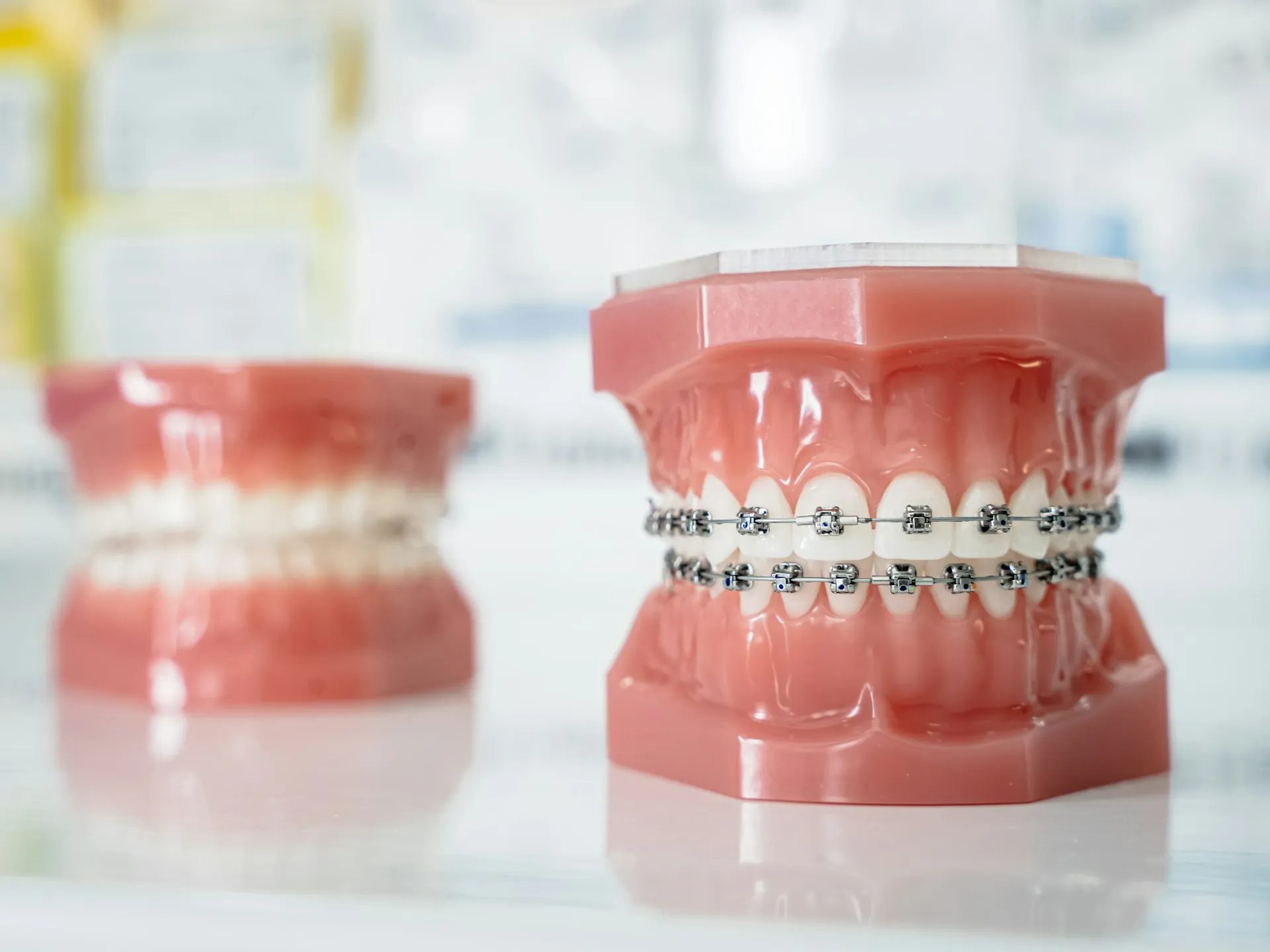
If you are thinking about braces, you are probably asking a very practical question: how long will it take to see a real change, and how long until the result is finished properly? We understand that. Orthodontic treatment is a commitment, and it feels easier when the timeline is explained clearly.
There is no single “standard” duration. Teeth move in stages, and the pace depends on what needs correcting, how your bite fits together, and how consistently the plan is followed.
It is easy to think braces are mainly about lining up the front teeth. In many treatment plans, we are also improving how the upper and lower teeth meet. That matters because a stable bite often takes longer than simple alignment.
Treatment length is usually shaped by:
A sensible starting point is trusted, patient-facing guidance. NHS explains that orthodontic treatment time varies and that many cases are around 1 to 2 years, depending on what is being corrected. Read the details in this NHS guide to orthodontics and braces.
Research supports the same idea: duration is influenced by several factors, not just how crowded teeth look at the start. This PubMed-indexed systematic review on factors affecting orthodontic treatment duration gives a clear overview of those influences.
We always assess suitability before recommending any appliance. The right option is the one that can achieve a stable result for your teeth and bite.
|
Treatment approach |
Often suited to |
Typical timeline (varies by case) |
What most often slows progress |
|
Fixed braces |
Most alignment and bite issues |
Often around 12 to 30 months |
Bite correction, breakages, missed reviews |
|
Clear aligners |
Mild to moderate alignment, some bite changes |
Often within similar broad ranges for suitable cases |
Wear time, refinements, complex movements |
|
Limited cosmetic alignment |
Small front-tooth improvements |
Can be shorter |
Only suitable if bite changes are not needed |
The final months can feel less dramatic because the changes are finer. That finishing stage is where we refine details that support stability, not just appearance.
Disclaimer: This article is general information and is not a substitute for personalised dental or orthodontic advice. Treatment times and suitability depend on your teeth, bite, oral health, and goals, and we can only confirm what is appropriate after a clinical assessment.
This is where we set the direction. We look at alignment, spacing, bite relationships, and gum health, then map out what needs to move and in what order.
In consultations, we keep it straightforward:
We also explain what is likely to drive the timeline in your case and what could slow it down.
If you would like to see the clinicians behind your care and their roles, you can visit our team page.
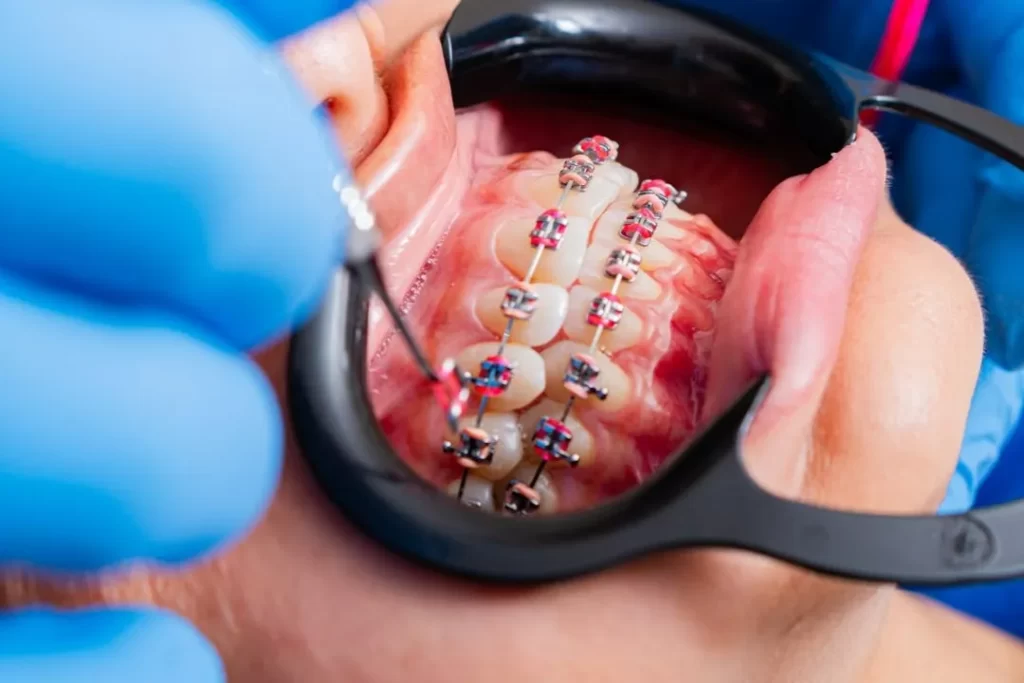
Fitting is usually a single appointment. After that, movement begins gradually. Some tenderness or pressure can be common after fitting or adjustments, particularly when chewing.
If pain is severe, swelling occurs, or something feels wrong, it is best to contact your dental team promptly rather than waiting for the next review.
This is the main body of treatment and the part most affected by complexity. A typical pattern looks like this:
Early alignment can happen relatively quickly in many cases. Later stages are often about fine positioning and how the bite contacts fit together. This is where stability is built.
Once teeth are in the right place, we move into retention. Teeth can drift over time, particularly in the months after appliances are removed, which is why retainers are commonly recommended.
The evidence base for retention is clear. Cochrane Library explains that without retention, teeth can relapse towards their original positions and that retainers are used to help maintain results in this Cochrane review on orthodontic retention.
Retention helps reduce the risk of unwanted movement, but long-term stability varies between individuals.
Some influences are biological and case-related, and some are practical. The practical ones are often the easiest to manage.
Movement such as significant rotations, large space closure, and bite correction can take longer because it needs more controlled force and more finishing detail.
Healthy gums can make orthodontic treatment easier to manage and may reduce the risk of avoidable complications during treatment. If gums are inflamed, cleaning around appliances can be harder, and your clinician may recommend addressing gum health as part of treatment planning.
If you would like support keeping everything healthy during treatment, our dental hygiene service can help you stay on track.
Missed appointments may delay planned adjustments, and broken brackets or wires can slow progress while repairs are made.
To minimise avoidable delays, we generally recommend:
With clear aligners, wear time is often one of the main drivers of progress. If aligners are not worn as prescribed, the plan may need to slow down or be revised. With elastics, inconsistent wear can extend bite correction.
Many people notice small changes within the first few months, although the timing varies. Early progress is often about easing crowding and lining teeth up. The later stages are usually about bite contacts, fine symmetry, and making sure the result is stable before retention begins.
If you ever feel uncertain about what stage you are in, we will talk you through what has been achieved, what comes next, and what the priorities are for the next review.
For suitable cases, clear aligners can be an excellent option, particularly when mild to moderate alignment is the main goal and wear time is consistent.
If you would like to explore whether aligners are appropriate for you, we explain the process and what to expect on our Invisalign clear aligner service.
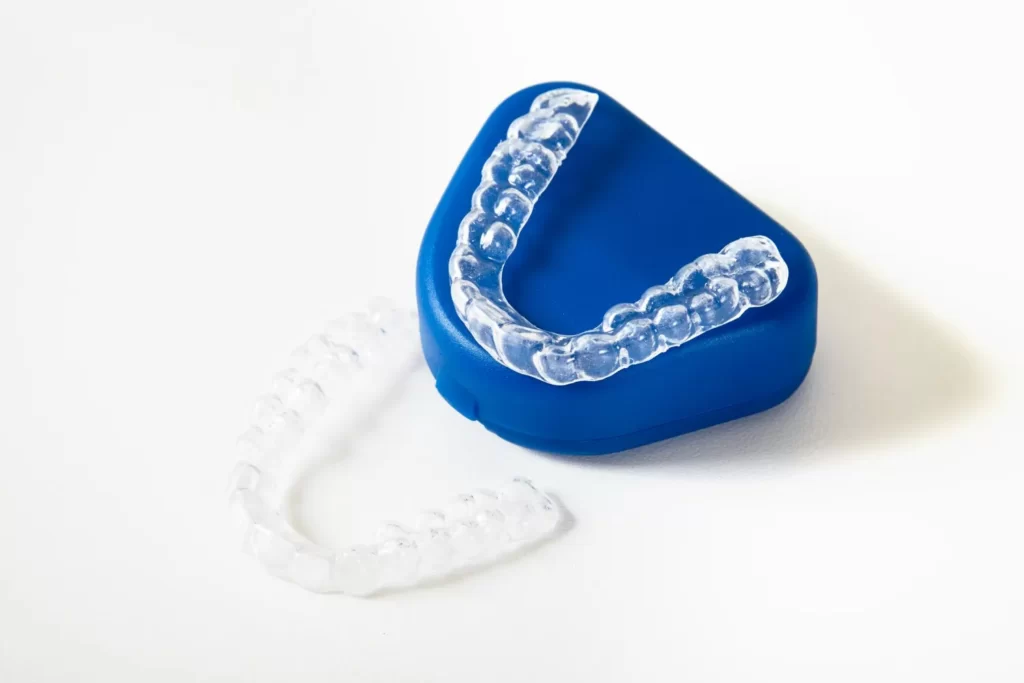
If you would like a personalised assessment and a realistic estimate of how long treatment may take, visit our Invisalign service page and take the next step from there.
If you would like to support treatment staying on schedule, these habits often help:
If you would like to discuss options and get a personalised timeframe, you can contact our team to arrange an orthodontic assessment.
Orthodontic timelines are individual, but they are not mysterious. Many treatments fall within broad ranges described in reputable guidance, and the biggest influences are case complexity and consistency.
A careful plan, steady reviews, good daily care, and an appropriate retention plan are what protect both the timeline and the final result.
< Back to Blog