




Reviewed by the clinical team at Wilson House Dental Practice.
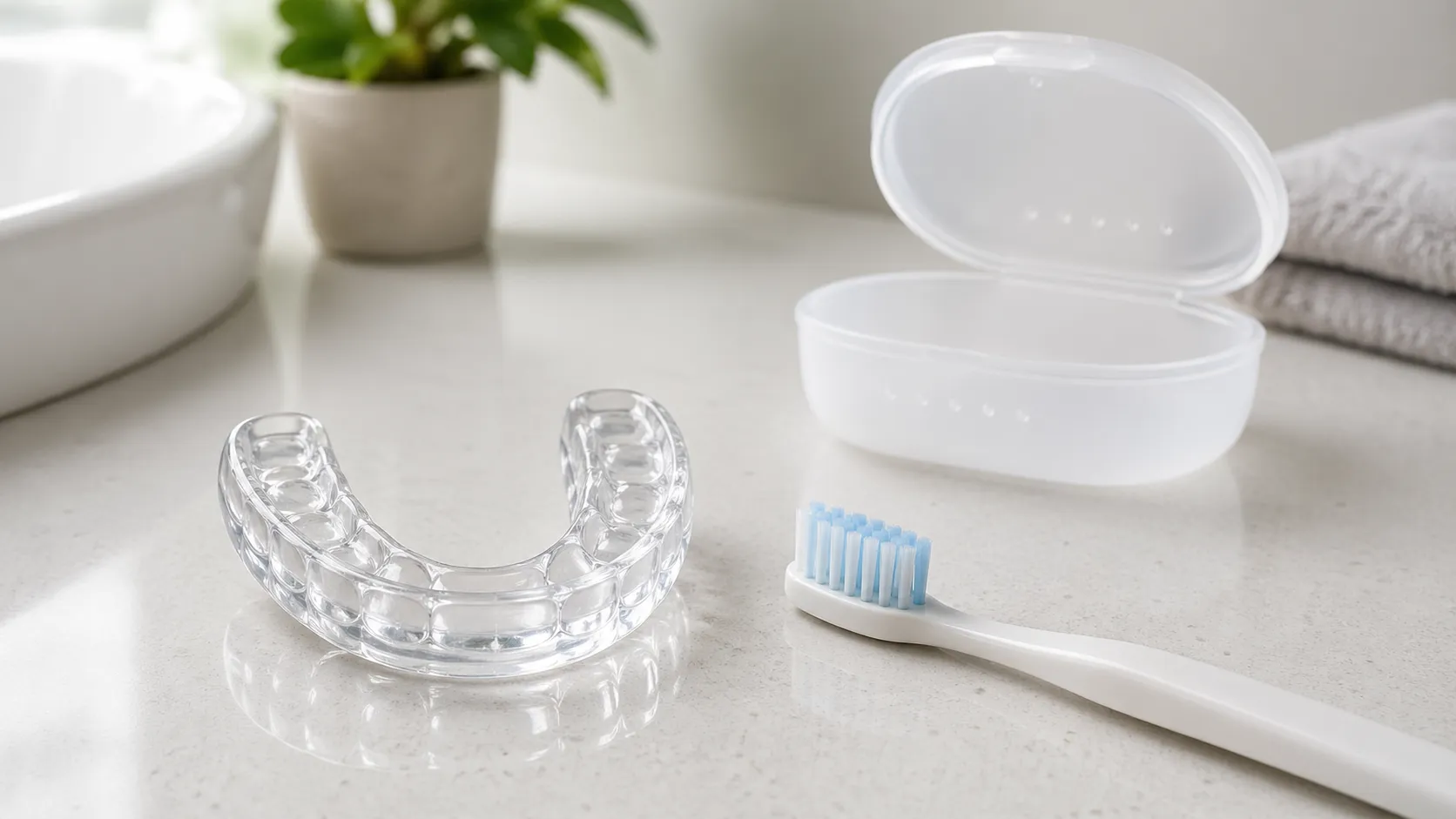
A dental mouth guard protects your teeth, but it also needs proper care in return. Whether you wear one for grinding, sport, or another dental reason, it sits in a warm, moist environment for hours at a time. If it is not cleaned properly, residue can build up on the surface, making it less pleasant to wear and less hygienic to place back in your mouth.
At Wilson House Dental Practice, we often see patients who wear their mouth guard regularly but are unsure whether they are cleaning it safely and effectively. This is especially common when the appliance has started to smell unpleasant, look cloudy, or feel less comfortable than it did when it was new. In most cases, a simple and consistent care routine is enough to help keep a mouth guard clean and comfortable to wear.
Keeping a mouth guard clean can also support your wider oral hygiene routine. If debris is left sitting on the appliance, it may be reintroduced into the mouth each time you wear it. That is not ideal, particularly if your gums are already sensitive or you are trying to stay on top of daily plaque control.
A mouth guard sits closely against your teeth and gums, often for several hours at a time. That means it can quickly develop a build-up of residue if it is not cleaned consistently. Like any appliance worn in the mouth, a mouth guard can also develop a layer of bacteria, known as biofilm, if it is not cleaned regularly. Over time, this may lead to unpleasant smells, discolouration and a surface that feels unclean, even if it still looks intact.
Cleaning also matters for practical reasons. A mouth guard that is stored carelessly, cleaned too harshly, or left damp too often may become unpleasant to wear and may not stay in good condition for as long as it should. As the Oral Health Foundation explains in its guidance on mouthguards, mouthguards should be cleaned after use, dried properly, and stored in a protective container.
Good home care and professional support work well together. Alongside cleaning your mouth guard properly, keeping on top of your daily oral hygiene routine can help reduce plaque build-up and support healthier gums overall. If you want to strengthen that part of your routine, our guide on how to floss your teeth properly is a useful place to start.
The key point is simple. In general, a mouth guard should be cleaned after each use.
As soon as you take your mouth guard out, rinse it under cool or cold water. This helps remove saliva and loose debris before it has a chance to dry onto the surface.
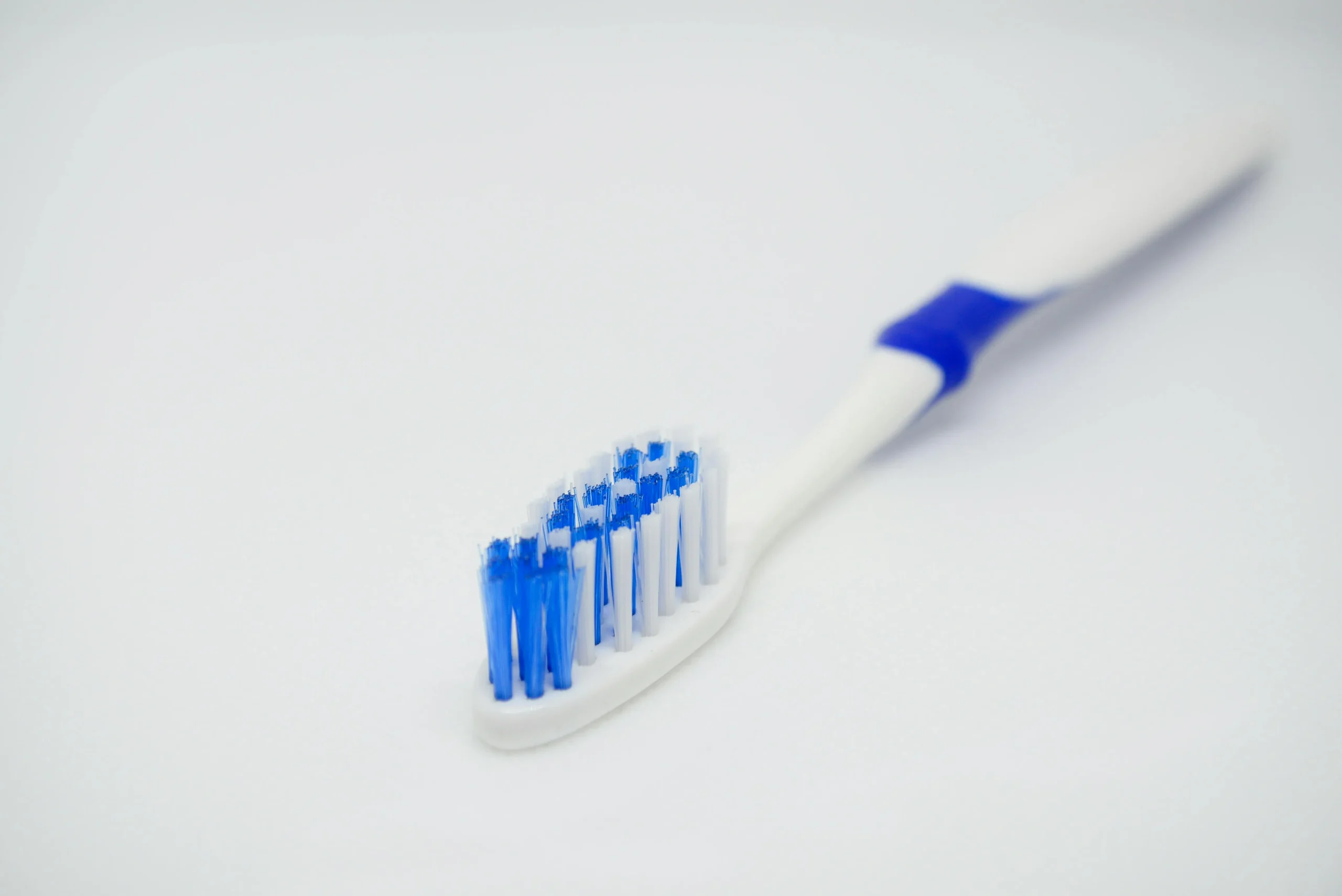
Use a soft toothbrush to clean all surfaces of the mouth guard. Make sure you clean the inside as well as the outside, paying attention to any grooves or edges where residue may collect.
A gentle clean is enough. Hard scrubbing can damage the surface over time, particularly if the material is softer or more flexible. The American Dental Association’s advice on mouthguards also recommends regular cleaning and bringing a mouth guard to your dental appointment if you want it checked professionally.
Once you have brushed it, rinse the mouth guard thoroughly with cool water to remove any remaining soap or cleaning residue.
Allow the mouth guard to air dry completely before putting it away. Storing a mouth guard while it is still damp can encourage odour and residue to build up more quickly.
Keep your mouth guard in a ventilated protective case when it is not being worn. This helps protect it from dirt, accidental damage and unnecessary exposure to heat or pressure. A ventilated case is important, as sealed or damp environments can encourage bacterial growth.
There is a fair amount of mixed advice online about mouth guard care, so it is worth keeping the basics practical and safe.
Heat is especially important to avoid because it can distort the shape of the guard. Once that happens, the fit may change, which can make the appliance less comfortable to wear and may affect how well it sits against the teeth.
|
Good habit |
Why it helps |
Habit to avoid |
|
Rinsing after every use |
Removes fresh debris before it dries |
Leaving residue on the surface |
|
Cleaning with a soft toothbrush |
Helps lift build-up gently |
Scrubbing with a hard brush |
|
Air drying before storage |
Keeps the appliance fresher |
Sealing it away while damp |
|
Using a protective case |
Reduces dirt and accidental damage |
Carrying it loose in a bag |
|
Keeping it away from the heat |
Helps preserve the fit |
Using hot water |
Mouth guard care is rarely complicated, but consistency makes a noticeable difference.
Your daily clean does most of the work, and that should happen every time you wear it. In addition to daily cleaning, a more thorough clean once or twice a week using a dental appliance cleaner can help reduce bacterial build-up, particularly if the appliance is starting to look dull or smell stale.
If you are thinking about using soaking tablets or specialist cleaning products, it is worth checking that they are suitable for your specific appliance. Not all mouth guards are made from the same material, and some dental appliances have more specific care requirements than others.
Cleaning advice can vary depending on the type of appliance and the material it is made from, so it is always best to follow any care instructions given for your own mouth guard. If you are ever unsure, it is best to check with your dentist or dental team before trying a cleaning method that could affect the fit.
Cleaning helps maintain a mouth guard, but it cannot correct changes in fit, surface wear, or irritation caused by an appliance that no longer sits properly against the teeth and gums.
Arrange a review if you notice:
A change in fit should not be ignored. A mouth guard that no longer sits properly may feel less comfortable and may not provide the fit it was designed to give.
If your gums are bleeding, tender, or inflamed, it is sensible not to assume the mouth guard is the only cause. These symptoms may be a sign that your gums need attention, whether or not the appliance is contributing to the problem. The NHS information on gum disease explains that bleeding gums can be a sign that your gums need attention and should not be ignored.
Keeping a mouth guard clean is only part of the picture. The condition of your teeth and gums matters too. If plaque is already building up around the gumline, or if you are noticing bleeding, tenderness or a stale taste, a mouth guard can sometimes highlight issues that need a little more support.
This is where professional hygiene care can be particularly helpful, especially if plaque build-up or gum irritation is already a concern. Hygiene appointments can support home care by professionally removing plaque and calculus, while also giving you practical advice on keeping your mouth and any dental appliances you wear cleaner day-to-day.
If you would like extra support alongside your home care routine, visit our dental hygiene treatment page to see how we can help keep your teeth, gums and mouth guard in better condition.
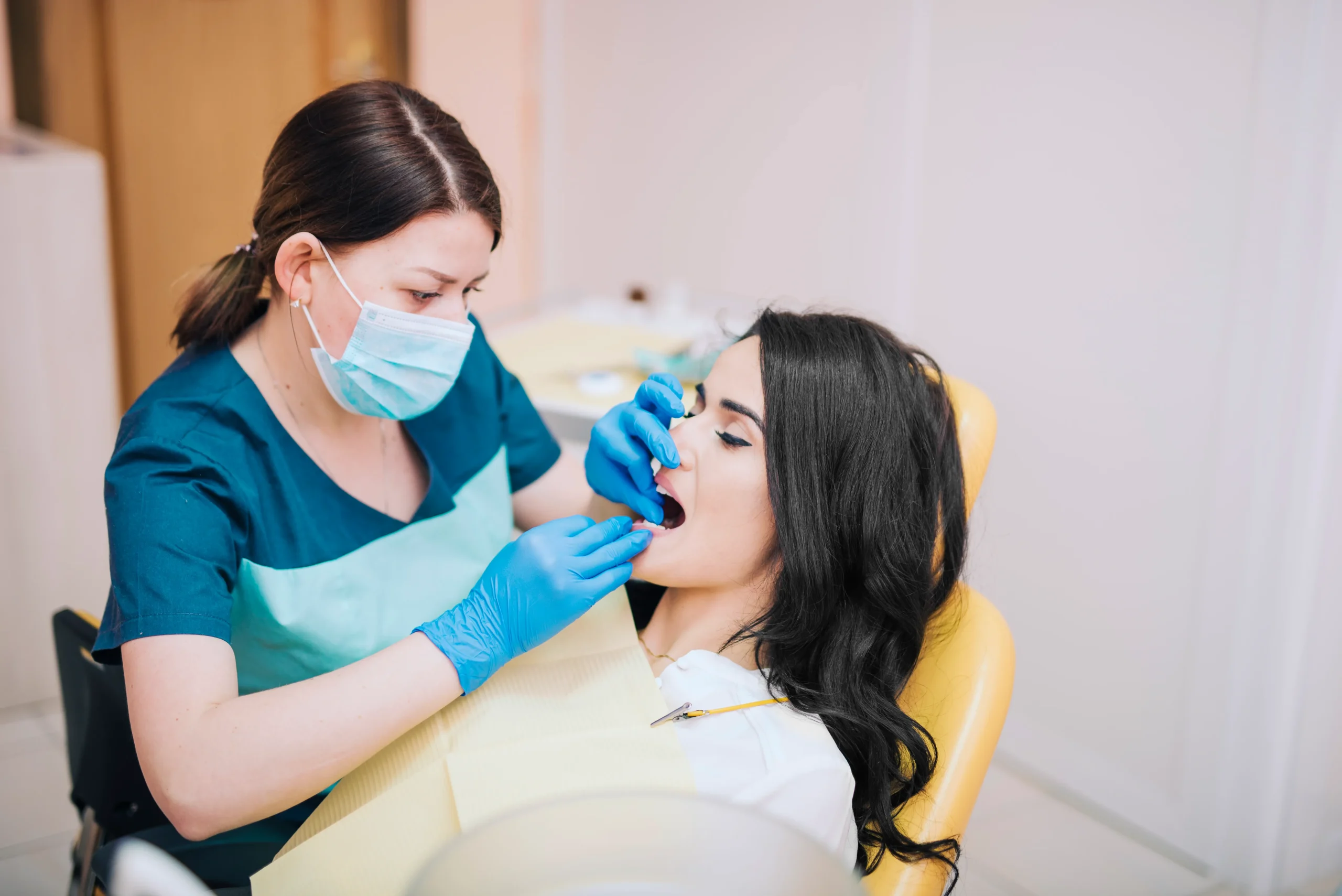
Not every mouth guard is the same, and not every patient has the same needs. Some are worn for grinding, some for sport, and others as part of a wider treatment plan. If your mouth guard feels uncomfortable, seems harder to keep clean, or no longer fits properly, it is worth having it checked.
We can advise on safe cleaning methods, assess the fit of the appliance, and help if there are signs of irritation or wear. If you are considering joining a practice with a preventative approach to long-term oral health, you can also read more about how to register with a private dentist.
Cleaning your dental mouth guard properly is simple, but it needs to be done regularly. Rinse it in cool water, brush it gently with a soft toothbrush, rinse again, let it dry fully, and store it in a clean protective case. Avoid heat, strong household cleaners and poor storage habits, as these can affect the fit and shorten the life of the appliance.
At Wilson House Dental Practice, we believe small, consistent habits make a real difference to oral health. Looking after your mouth guard is one of them. When that routine is combined with strong daily oral hygiene and the right professional support, it becomes much easier to keep your appliance fresh and your mouth healthy.
If you are unsure how to care for your mouth guard, or if it no longer fits properly, contact us, and we will be happy to advise you.
Clean it after each use to remove residue before it dries. Rinse it, brush it gently, and let it dry fully before storing it.
Sometimes, but only if it is non-abrasive. A soft toothbrush with cool water or mild, unperfumed liquid soap is often the safer option.
Yes, hot or boiling water can warp the material. If the fit changes, the mouth guard may feel less comfortable and may not sit properly.
A lingering smell usually means residue is still building up or the guard is being stored while damp. If the smell does not improve after a thorough clean, it is worth having it checked.
Only if the cleaner is suitable for your specific appliance. It is best to follow the care instructions for your mouth guard or ask your dentist before soaking it.
It should be checked for cracks, rough edges, persistent odour, discolouration, or a poor fit. A mouth guard that no longer fits properly should not be ignored.
Yes, the case should be cleaned regularly too. A clean mouth guard will not stay fresh for long if it is stored in a dirty case.
< Back to Blog