



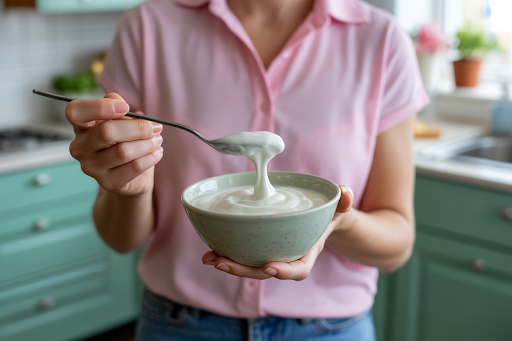
You’ve just had a dental filling, half your face feels like it belongs to someone else, and your stomach decides now is the perfect time to demand a meal. Typical. Eating after a filling is usually straightforward, but the first few hours (and sometimes the first day) are where a few small choices can save you a lot of hassle. Choose the wrong food too early, and you might upset a tender tooth, bite your cheek without realising, or turn a mild sensitivity into something that lingers.
This guide explains what normally happens after a filling, when it’s generally safe to eat, which foods are kindest on a freshly treated tooth, and when it’s worth contacting your dentist for a quick check.
Disclaimer: This article is for general information only and does not replace personalised advice from your dentist.
Most sensible aftercare advice comes down to two practical questions: (1) Are you still numb from local anaesthetic, and (2) What type of filling did you have?
Even if the filling itself is ready, numb lips and cheeks can lead to accidental bites or burns from hot food. Some NHS patient guidance is very clear on this point: avoid eating hot foods or chewing while the area is still numb, because you can unintentionally injure your cheek or tongue.
Local anaesthetics often take around one to three hours to wear off, but it varies. If you’re unsure whether sensation is back, test gently first with a sip of cool water and simple movement (lips, cheeks, tongue). If it still feels dull or “puffy”, it’s better to wait before chewing.
Yes, and this is why people sometimes get different guidance depending on what they’ve had done.
Composite fillings are hardened with a curing light and set immediately. From a material point of view, they can usually handle gentle chewing once numbness is gone. The catch is that your tooth can still feel tender, your bite can feel unfamiliar, and the surrounding tissues may be mildly irritated. So even with a white filling, most dentists suggest starting gently.
Amalgam fillings take longer to fully harden. They may feel solid quickly, but they continue to strengthen over several hours. With amalgam, it’s common to be advised to avoid chewing on that side for the rest of the day and be cautious with hard or sticky foods until the next day.
|
Filling type |
Typical setting behaviour |
Practical eating guidance |
|
Composite (white) |
Set immediately with the curing light |
Usually fine once numbness has fully worn off, start gently |
|
Amalgam (silver) |
Hardens over several hours |
Often advised to avoid chewing on that side for up to 24 hours |
If you’re not sure which type you’ve had, ask. It’s a small question, but it clears up a lot of uncertainty.
If you want the simplest way to decide, here it is.
If yes, avoid chewing food. Stick to cool drinks. Wait. NHS leaflets commonly warn that numbness increases the risk of biting your cheek or tongue and burning yourself on hot drinks.
Composite: start gently with soft food and build up. Amalgam: Avoid chewing on that side and keep things soft for longer.
Mild sensitivity is common at first. A bite that feels high, painful, or uncomfortable when chewing is worth checking. A lot of post-filling “problems” are actually just bite height needing a quick adjustment, and that’s usually a fast fix if you catch it early.
Your first meal after a filling should be more “soft and sensible” than “crispy and ambitious”. The goal is to reduce pressure, avoid temperature triggers, and keep the tooth comfortable while it settles.
If you do eat something firmer, chew on the opposite side for the first meal or two. It’s not glamorous, but it’s effective.

Chewing is suddenly a skill once one tooth feels tender. This approach is practical, easy to remember, and usually works well for the first day.
If cold air triggers sensitivity while eating (especially in winter), keeping your mouth closed while chewing can help. It sounds too simple, but for some people it genuinely reduces that sharp little “zing”.
This is one of the most common things people notice once numbness disappears. Even a tiny change in tooth height can make your bite feel uneven. If a filling sits slightly high, that tooth may hit first every time you chew. That repeated pressure can lead to discomfort or jaw ache surprisingly quickly.
A bite adjustment is usually quick and painless. If you suspect this is happening, don’t try to “eat through it”. That tends to prolong the discomfort.

Mild sensitivity is common for a few days. The tooth has been cleaned, shaped, and restored, and the nerve can be a bit reactive while everything settles. You might notice sensitivity when drinking something cold, eating something sweet, or biting down firmly.
Practical ways to ease temporary sensitivity include using a sensitivity toothpaste for a week or two, avoiding extremes of hot or cold at first, chewing gently, and keeping up normal brushing and flossing while being careful around the area.
If sensitivity is getting worse, becoming sharper, or lasting longer than expected, it’s worth a review. And if you’re trying to keep your mouth in good shape long term, it’s not just about fillings. Gum health plays a huge role, too, which is why many patients also find it helpful to read about practical steps for early gum disease care.
Just to be clear, persistent gum symptoms still deserve a professional assessment, especially if there’s bleeding, swelling, or ongoing discomfort.
It’s normal to feel cautious around the tooth, but skipping oral hygiene is the wrong kind of gentle. In most cases, you can brush and floss as normal on the same day. The key is a careful approach: brush with a soft toothbrush, take your time around the filled tooth, and floss gently, especially if the filling is between teeth.
For prevention-focused, evidence-based guidance on daily oral hygiene, the UK government’s Delivering Better Oral Health toolkit is a solid reference, including practical advice on brushing and prevention habits.
If your gum feels tender, slow down, don’t stop. Clean margins help fillings last longer.
Once numbness has gone, warm drinks are usually fine. But very hot drinks can trigger sensitivity, especially in the first 24 hours, and hot drinks are a definite no while you’re still numb because of burn risk.
If tea or coffee feels uncomfortable, let it cool slightly, sip rather than gulp, and avoid holding hot liquid against the treated side. Most temperature sensitivity improves as the tooth settles.
Most people are absolutely fine after a filling, but it’s sensible to contact your dentist if you notice pain that doesn’t improve over a few days, a bite that feels uneven or “high”, sensitivity that worsens rather than settles, a rough edge you can feel with your tongue, or a crack, chip, or sudden change when chewing. None of these automatically means something has gone wrong, but a quick check can prevent the problem from dragging on.
Fillings are part of everyday general dentistry, alongside check-ups, prevention, and the small interventions that keep teeth stable over time. If you’re looking for treatment, aftercare advice, or a proper assessment of sensitivity or bite changes, the best place to start is Wilson House Dental Practice.
A check-up gives you clarity on the type of filling you’ve had (and what that means for eating), whether your bite needs a small adjustment, whether sensitivity is settling normally, and whether there are signs of decay elsewhere. It also supports the bigger picture: preventing future fillings where possible. If you want a friendly reminder of why staying consistent matters, Wilson House covers it well in keeping on top of your dental appointments.
Eating after a filling is mostly about patience and sensible choices. Wait for numbness to fade, start with softer foods, and pay attention to your bite. If something feels off, getting it checked early is usually the quickest route back to normal.
And if the whole experience has you thinking, “Right, I’m taking better care of these teeth from now on,” you might also enjoy our guide to your teeth whitening options explained.
If you want personalised guidance or you’re due a check-up, visit General Dentistry at Wilson House Dental Practice to explore appointments and support.
< Back to Blog