




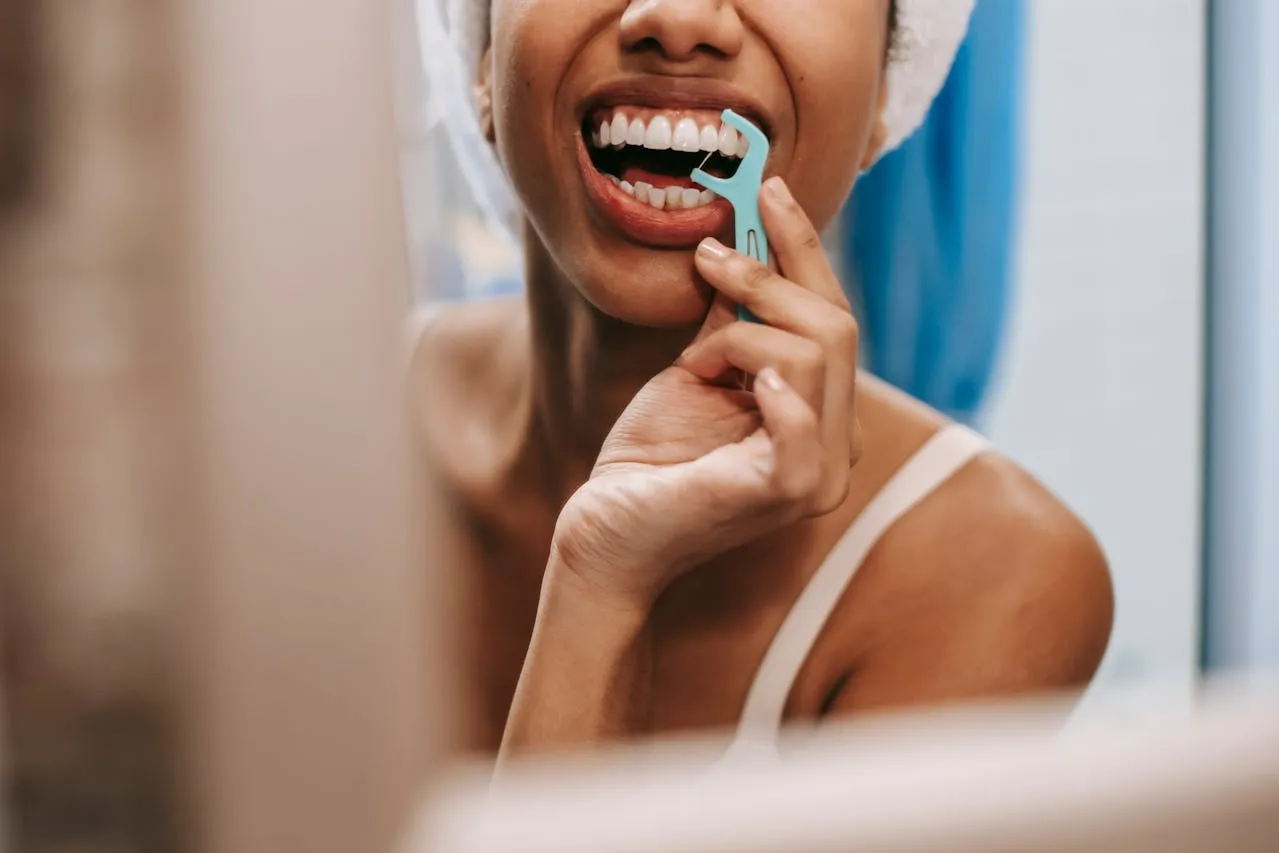
Flossing sounds simple, but it is often the part of an oral care routine that gets rushed or skipped. Brushing feels familiar and visible. Flossing can feel awkward at first, especially if no one has shown us the right technique. Even so, it plays an important role in keeping teeth and gums healthy because a toothbrush cannot fully clean the tight spaces between teeth or just under the gumline.
At Wilson House Dental Practice, we see this regularly. Patients may brush carefully and still miss the contact points between the teeth, where plaque and food debris can collect. Cleaning those areas properly is an important part of good daily care. Our approach to preventative dentistry reflects that wider focus on practical habits that help protect oral health over time.
Plaque not only builds up on the front of the teeth. It also collects between the teeth and around the gumline, where it is harder to see and harder for a toothbrush to reach. If it is not removed regularly, it can contribute to gum irritation and other oral health problems. The NHS advice on keeping teeth clean recommends cleaning between the teeth every day, which is why flossing or another interdental cleaning method should be part of a routine.
For many patients, improving how they clean between their teeth is one of the simplest changes they can make at home. It is not about being perfect. It is about reaching the areas that are easiest to miss.
The best time to floss is the time you are most likely to do it consistently. For many people, that is in the evening before bed, when the day’s build-up can be cleaned away rather than left between the teeth overnight.
A simple routine often works well:
NHS guidance says it is best to floss before brushing. That can help remove debris from between the teeth before brushing the rest of the tooth surfaces.
Technique matters more than speed. Good flossing should feel gentle and controlled, not rushed or forceful.
Cut a piece of floss around 30 to 45 centimetres long. Wind most of it around one middle finger and the rest around the other, leaving a short section stretched between the hands. This gives enough control to move carefully and use a fresh section as you go.
Grip the floss between the thumbs and forefingers. It should be firm enough to guide between the teeth without slipping, but not so tight that it presses sharply into the gums.
Ease the floss between two teeth using a gentle rocking motion. Avoid snapping it down. The Oral Health Foundation’s guidance on cleaning between teeth also advises a careful, controlled movement rather than forcing floss into place.
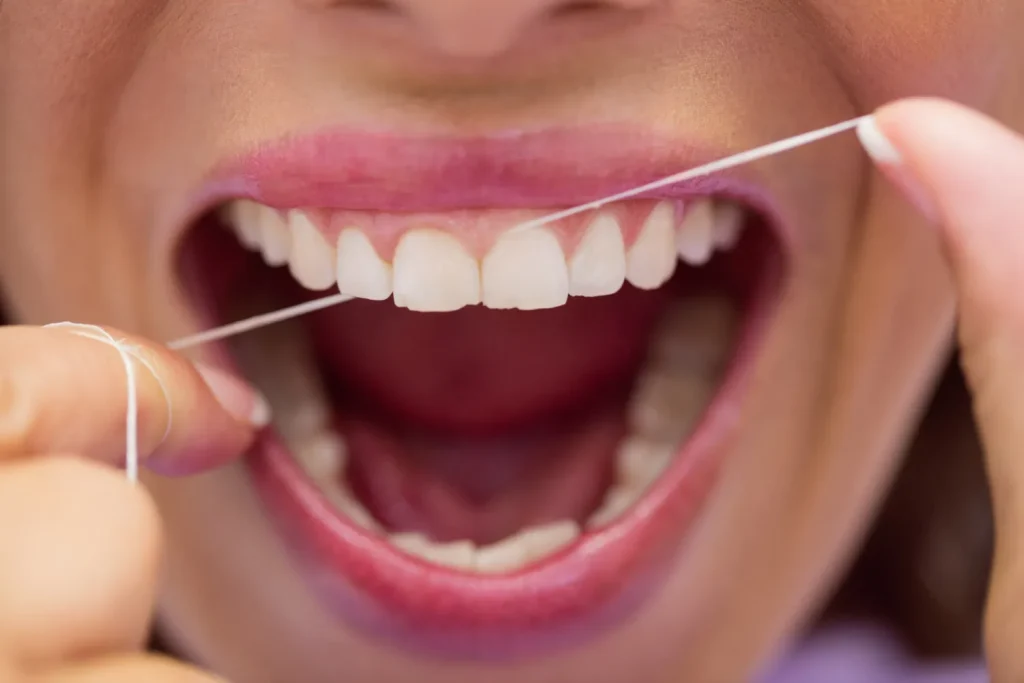
Once the floss reaches the gumline, curve it into a C-shape against one tooth. This helps the floss clean the side of the tooth rather than simply passing through the gap.
Slide the floss gently up and down against the tooth surface, including just under the gumline. Then repeat the same movement on the neighbouring tooth. The aim is to clean each tooth side properly, not just the space between them.
Move to a clean section of floss for each new gap. This helps avoid dragging debris from one area of the mouth to another.
Follow the same pattern each time so that nothing is missed. Back teeth matter just as much as front teeth, even if they are harder to reach.
Flossing should feel gentle, deliberate and a little easier as the habit develops. It should not feel harsh or painful. If gums bleed during flossing, it can be a sign that they are irritated or not healthy. Improving technique and cleaning between the teeth regularly may help, but persistent bleeding should not be ignored. The NHS information on gum disease explains that bleeding gums can be a sign that the gums are not healthy and should be checked if the problem continues.
Anyone concerned about ongoing irritation may also find it helpful to read our guide on how to cure gum disease without a dentist. Home care matters, but it is equally important to know when professional advice is needed.
There is no single tool that suits every mouth. The most suitable interdental aid depends on the spaces between the teeth, gum health and whether there are restorations such as bridges, implants or orthodontic appliances.
|
Interdental aid |
Best for |
Things to know |
|
Dental floss |
Tight spaces between teeth |
A good option for close contacts |
|
Dental tape |
People who find floss too thin |
Broader and often more comfortable |
|
Interdental brushes |
Wider spaces between teeth |
May be more suitable where floss does not make good contact |
|
Floss picks |
Convenience and travel |
Easy to use, though sometimes less precise |
|
Super floss |
Braces, bridges and implants |
Helpful with appliances and restorations |
A Cochrane evidence review on home interdental cleaning found that using floss or interdental brushes alongside toothbrushing may reduce plaque, gingivitis or both more than toothbrushing alone, although the certainty of the evidence is low or very low. In practice, the best option is the one that suits the mouth properly and can be used consistently.
Even with good intentions, it is easy to fall into habits that make flossing less effective.
This can make flossing uncomfortable and may irritate the gum tissue.
A quick side-to-side movement through the gap is not the same as cleaning the side of the tooth. The floss should curve around the tooth and move vertically.
Plaque builds up in quieter areas too, not only in the obvious trouble spots.
Back teeth are often the hardest to reach and the easiest to neglect.
Flossing can still be done, but different tools may be easier to use. Super floss, floss threaders or interdental brushes are often more practical around wires, bridges and implant restorations. The aim remains the same, which is to remove plaque from areas that are harder to clean.
For patients with restorations, daily cleaning is especially important. Our blog on how long dental implants last also explains why long-term maintenance matters.
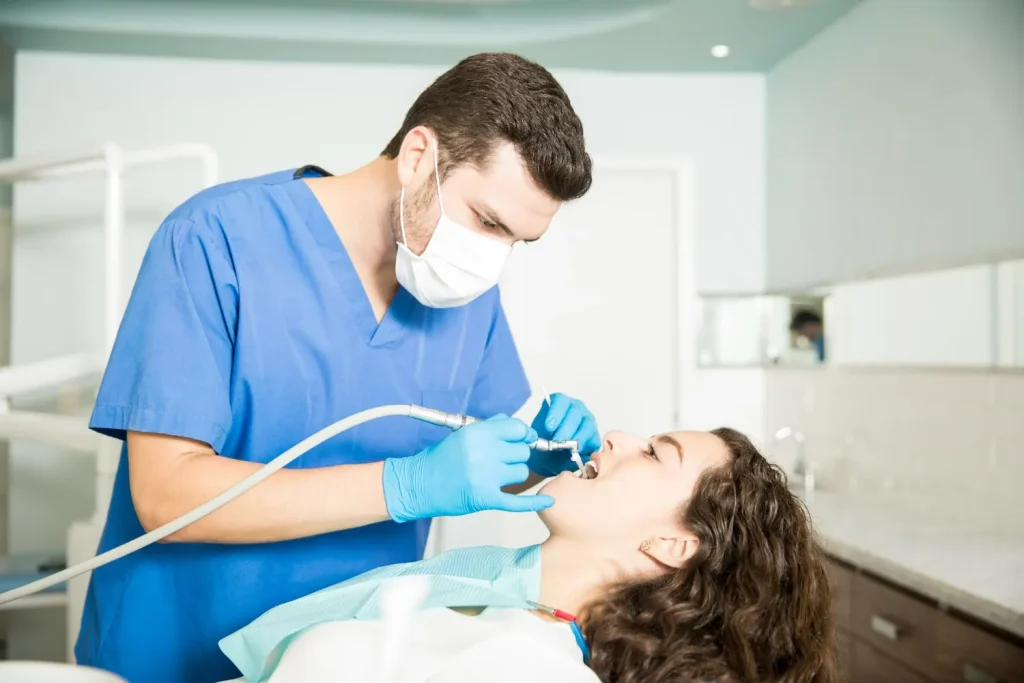
Even with the best intentions, flossing is not always easy to get right. Tight contacts, tartar build-up, sensitive gums and awkward areas at the back of the mouth can all make home cleaning more difficult. In those situations, professional support can help us work out whether the issue is technique, the type of floss being used, or the need for a different interdental aid.
A hygienist can remove plaque and hardened deposits from areas that are difficult to manage at home, identify where cleaning is being missed and recommend a flossing or interdental cleaning approach that suits your teeth and gums more closely.
For patients who struggle with bleeding gums, repeated plaque build-up or uncertainty about flossing technique, our dental hygiene service can support plaque removal and provide more personalised advice on cleaning between the teeth. If daily flossing still feels difficult or your gums remain sore or prone to bleeding, visiting that page may be a sensible next step for more tailored support.
The hardest part of flossing is often not the technique; it is remembering to do it every day. A few simple changes can help:
A small change in angle, pressure or product can make flossing far easier. If you are unsure where to start with your wider oral care routine, our contact page is the best place to get in touch.
Flossing helps clean the areas that brushing alone may not fully reach. Done properly, it can help remove plaque and trapped food from between the teeth and support a good daily preventive routine. It does not need to be complicated, but it does need to be gentle, consistent, and suited to your mouth.
The goal is not to floss perfectly on day one. It is to build a habit that becomes easier and more effective with time. If flossing always feels uncomfortable, causes ongoing bleeding or never seems to work, professional guidance can make a real difference.
This article is intended as general oral health information and does not replace personalised dental advice. Recommendations for flossing, interdental cleaning, and gum care may vary depending on your oral health, existing dental work, and current symptoms. If you have ongoing concerns such as bleeding gums, pain or sensitivity, we recommend seeking advice from a dental professional.
How often should I floss my teeth?
Flossing once a day is generally recommended to help remove plaque and debris from between the teeth and along the gumline. Consistency matters more than timing, so it is best to choose a time you can stick to each day.
Should I floss before or after brushing?
Flossing before brushing is often advised, as it helps loosen debris and plaque from between the teeth so it can be cleared away more effectively during brushing.
Why do my gums bleed when I floss?
Bleeding gums can be a sign of irritation or early gum disease. If you have not been flossing regularly, some bleeding may improve as your gums become healthier. However, if bleeding continues, it is important to seek professional advice.
Is flossing better than using interdental brushes?
Neither is universally better. The most suitable option depends on the spacing between your teeth and your gum health. Floss works well for tight contacts, while interdental brushes may be more effective for wider gaps.
Can I use a floss pick instead of traditional floss?
Floss picks can be a convenient alternative and may help with consistency, especially when travelling or for those who find standard floss difficult to use. However, technique still matters to ensure effective cleaning.
What happens if I don’t floss regularly?
Without flossing or another form of interdental cleaning, plaque can build up between the teeth and along the gumline. Over time, this may contribute to gum inflammation, bad breath and other oral health problems.
Is flossing safe if I have sensitive teeth or gums?
Yes, but it should be done gently. If sensitivity or discomfort continues, it may be helpful to adjust your technique or try a different product, such as dental tape or interdental brushes.
Do children need to floss?
Yes, once teeth begin to touch each other, flossing can help clean areas that brushing alone cannot reach. Parents may need to assist younger children until they develop the coordination to floss effectively.